August 20, 2026
Rehabilitation plays a critical role in recovery from severe injury, major surgery, or chronic illness. Patients face significant decisions regarding the appropriate setting for their care. Understanding the distinction between available environments helps individuals achieve optimal health outcomes. Medical professionals recommend physical therapy services to restore mobility, decrease pain, and improve overall function. These environments fall into distinct categories, each offering unique benefits tailored to patient needs.
Inpatient facilities provide rigorous, supervised care for patients requiring continuous medical monitoring. Outpatient clinics cater to individuals capable of managing daily life while attending scheduled appointments. Selecting the correct environment dictates the intensity and duration of rehabilitation. Patients must assess mobility levels, medical stability, and support systems before committing to a specific program. Making an informed choice ensures patients receive effective interventions without overwhelming their current physical capabilities.
Examining the Core Characteristics of Inpatient Rehabilitation
Inpatient facilities cater to individuals recovering from complex medical events like severe strokes, spinal cord injuries, or massive joint replacements. Patients reside within a hospital or dedicated rehabilitation center during treatment. This environment provides continuous nursing care and immediate access to attending physicians. Physical therapy services in this setting involve intensive sessions designed to accelerate basic functional recovery. The primary goal centers on helping patients regain enough independence to return home in a safe manner.
The daily routine in an inpatient setting demands immense effort and dedication from patients. Rehabilitation teams structure the day to include various therapy modalities. Occupational and speech therapists collaborate with the primary physical therapist to deliver comprehensive care. This multidisciplinary approach ensures all aspects of patient recovery receive attention. Regular assessments track progress and dictate modifications to the treatment plan over time.
Safety remains the paramount concern within inpatient settings. Facilities feature specialized equipment to support patients with minimal mobility. Harnesses, parallel bars, and mechanical lifts prevent falls and facilitate early mobilization. Medical staff monitor vital signs at all times to prevent complications during exertion. This level of supervision provides a secure environment for individuals pushing their physical limits.
Transitioning out of inpatient care requires meeting specific medical and functional criteria. Patients must demonstrate the ability to perform basic self-care tasks or have adequate support systems at home. Discharge planners work alongside therapists to arrange necessary medical equipment for the home environment. Ensuring a safe transition prevents readmissions and maintains the progress achieved during the intensive stay.
Analyzing the Core Characteristics of Outpatient Rehabilitation
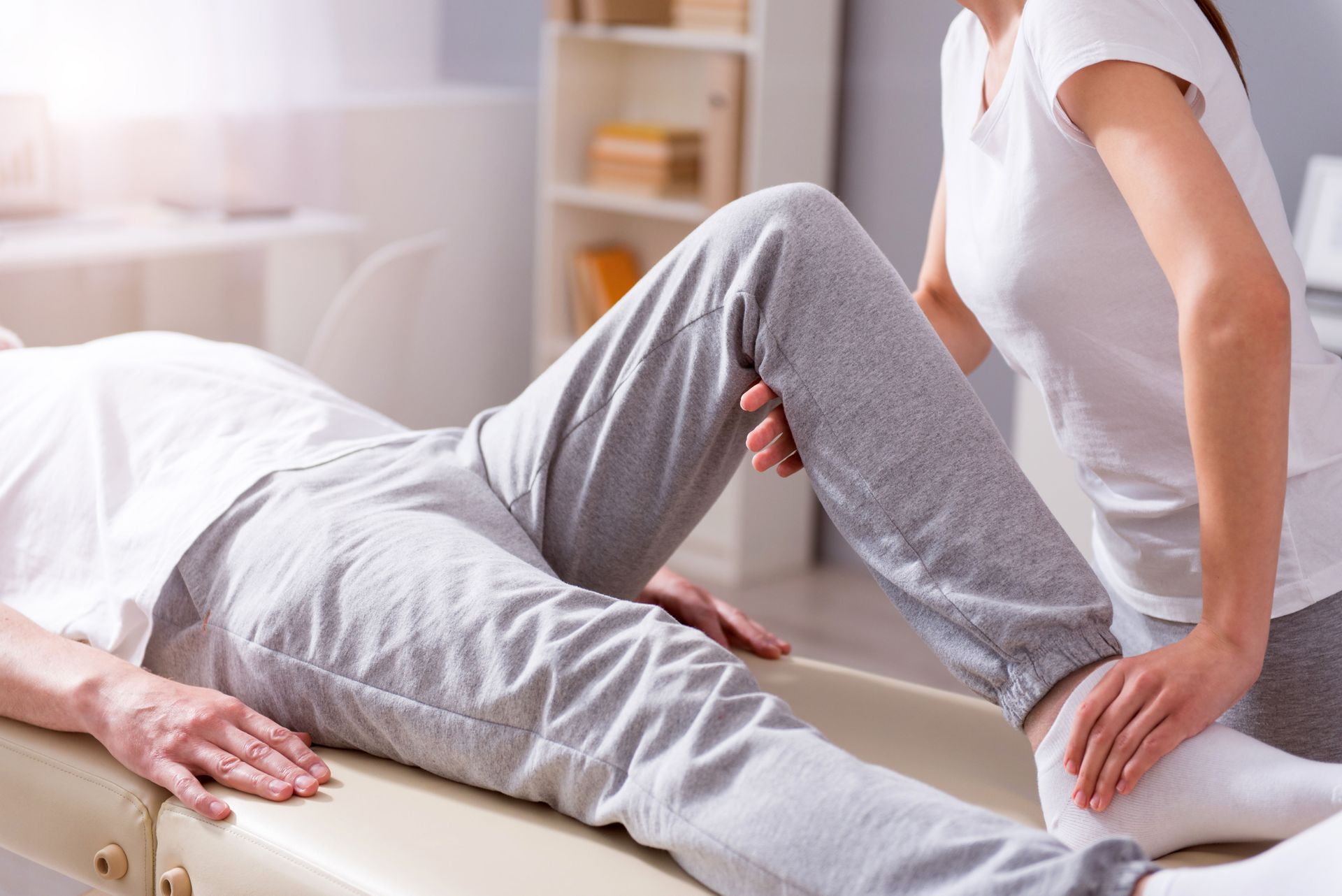
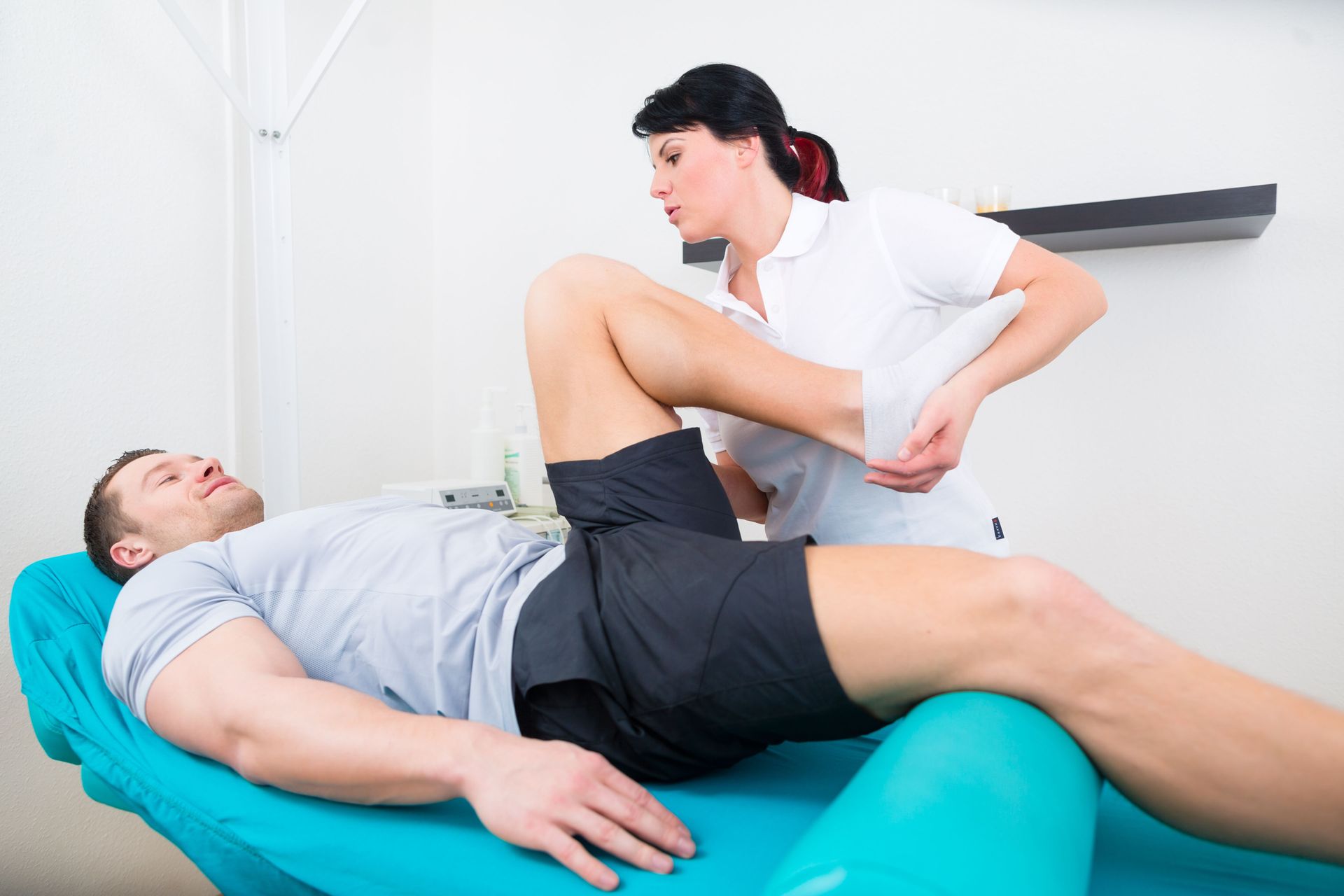
Outpatient clinics serve individuals requiring rehabilitation who do not need continuous medical supervision. Patients travel from their residences to the clinic for scheduled appointments. This setting suits individuals recovering from sports injuries, minor surgeries, or managing chronic pain conditions. Outpatient physical therapy services focus on progressive strengthening, flexibility, and advanced mobility training. Patients maintain daily routines while incorporating therapy into their schedules.
Independence plays a massive role in the success of outpatient treatment. Therapists prescribe home exercise programs to supplement clinic sessions. Patients must demonstrate the discipline to complete these exercises without supervision. According to NCDs Inc, about 20% of physical therapy patients stop treatment within the first three visits, and 70% of patients do not complete their full care regimen. This lack of compliance hinders recovery and leads to recurring issues.
Outpatient facilities utilize diverse equipment to challenge patients as they grow stronger. Free weights, resistance bands, and cardiovascular machines feature with great prominence in these clinics. Therapists introduce more complex movements to mimic daily activities or sports-specific requirements. This progression ensures patients regain complete function and return to prior activity levels. The focus shifts from basic mobility to optimal performance over the course of treatment.
The duration of outpatient care varies based on the specific injury and individual progress. Some patients require short-term interventions to learn proper mechanics and pain management techniques. Others with more severe orthopedic issues might attend appointments for a longer duration. Regular reassessments determine the necessity for ongoing therapy. Discharge from outpatient care signifies the patient has achieved their functional goals.
Evaluating the Primary Benefits of Inpatient Settings
The constant availability of medical professionals defines the most significant advantage of inpatient care. Patients with complex comorbidities receive immediate intervention if unexpected complications arise during therapy. This medical safety net allows therapists to push individuals harder than they might in a less supervised environment. Intensive physical therapy services yield rapid improvements in basic functional mobility. The ability to monitor physiological responses during exercise ensures that rehabilitation remains safe and effective for vulnerable populations.
The structured environment of a hospital eliminates external distractions and responsibilities. Patients focus with complete dedication on recovery without worrying about meal preparation, housekeeping, or transportation. This exclusive focus conserves energy for rigorous therapy sessions. The immersive nature of inpatient rehabilitation accelerates the healing process for debilitated individuals. Removing the stress of daily chores allows the body to direct available resources toward repairing tissue and building strength during the critical stages of recovery.
Multidisciplinary collaboration happens with ease within inpatient facilities. Physical, occupational, and speech therapists coordinate sessions to maximize patient endurance without causing excessive fatigue. Regular team meetings ensure all providers work toward identical goals with cohesive strategies. This organized approach prevents fragmented care and addresses every facet of patient recovery. Shared medical records allow each specialist to track progress and adjust interventions, enhancing the overall efficacy of the rehabilitation program.
Inpatient centers offer access to specialized rehabilitation technology. Robotic exoskeletons, body-weight supported treadmills, and advanced hydrotherapy pools aid in complex neurological or orthopedic recovery. These tools provide support that human therapists without technological assistance cannot offer. Access to such equipment dictates the success of early mobilization efforts in medically fragile patients. The integration of advanced technology facilitates movements that would otherwise remain impossible for patients with profound weakness, thereby accelerating the timeline for functional independence.
Evaluating the Primary Benefits of Outpatient Settings
Outpatient care offers unparalleled flexibility for individuals managing active lives. Patients schedule appointments around work, school, or family commitments. This convenience makes it easier for people to access vital physical therapy services without disrupting their routine. The ability to recover while remaining integrated into the community promotes better mental well-being and life satisfaction. Maintaining a sense of normalcy during rehabilitation prevents feelings of isolation that sometimes accompany prolonged medical treatments and institutional stays.
Remaining in a familiar home environment provides significant psychological comfort. Patients sleep in their own beds and consume preferred diets. This familiarity reduces stress and contributes to a positive outlook during rehabilitation. Practicing daily activities in the actual environment where patients live ensures practical, applicable skill development. Patients build confidence by navigating their own homes during the recovery process.
The financial aspect of outpatient care often presents a considerable advantage. Without the massive overhead costs associated with hospital lodging and continuous nursing care, outpatient therapy remains more economical. Insurance plans cover a set amount of clinic visits, making this a viable option for most individuals. Cost-effectiveness allows patients to pursue longer-term rehabilitation if required for complete healing.
Outpatient clinics foster independence and self-efficacy. Therapists act as guides, teaching patients how to manage conditions autonomous from constant oversight. Patients learn self-correction techniques and pain management strategies. This education empowers individuals to take control of their long-term health and prevent future injuries. Gaining this knowledge transforms patients from passive recipients of care into active participants in their health journey.
Healthcare providers evaluate each case with care to recommend the ideal path forward. Patients must engage with intent in this decision-making process to ensure the chosen setting aligns with their capabilities and recovery goals. Accessing the appropriate physical therapy services at the correct time dictates the overall success of the rehabilitation journey. Prioritizing the correct environment sets the foundation for a thorough and sustainable recovery. Contact us at Pro Motion Physical Therapy to schedule an initial evaluation. We look forward to providing the physical therapy services necessary for your recovery.