October 17, 2026
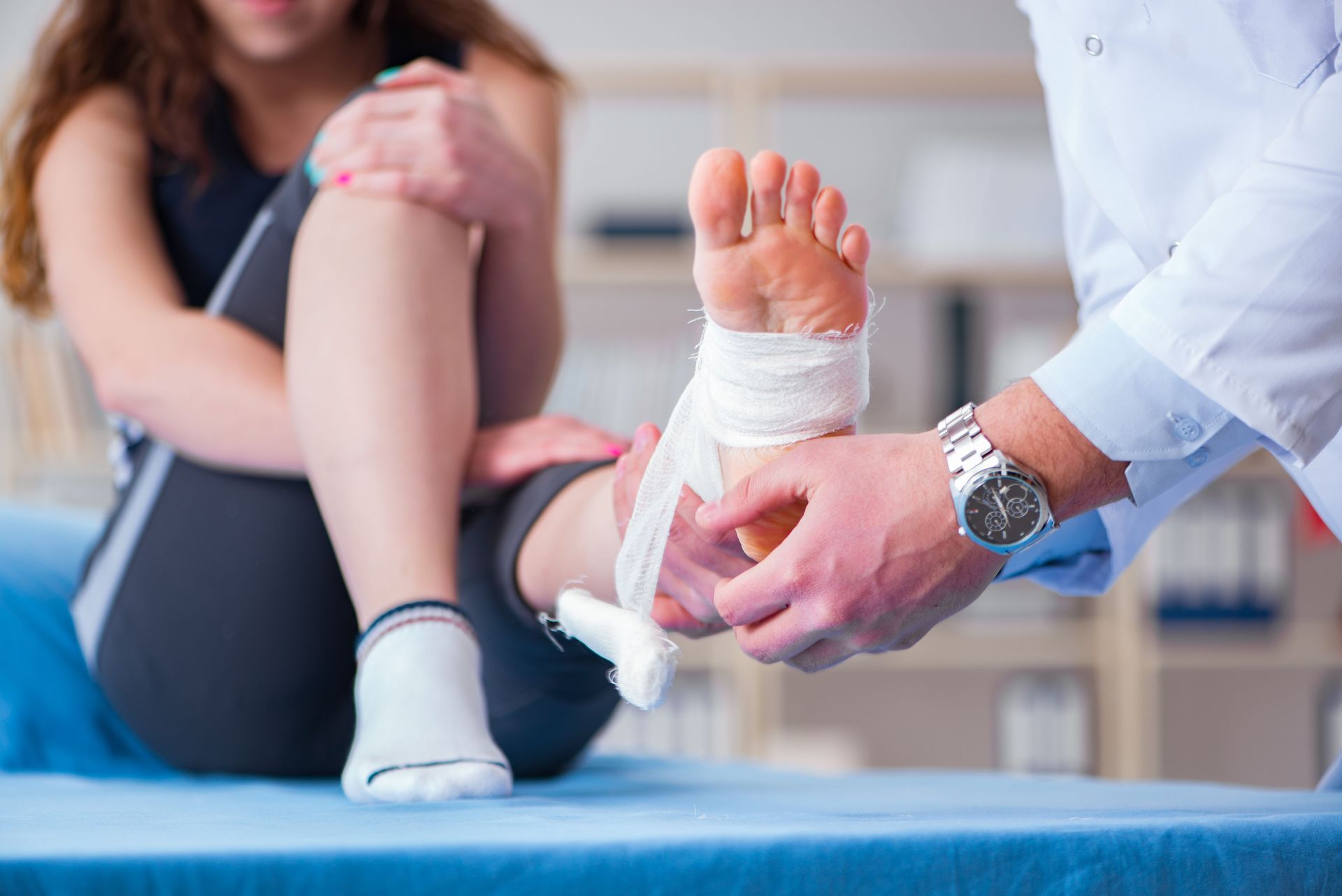
Recovering from surgery involves more than allowing an incision to heal. The body must gradually regain strength, mobility, flexibility, and the ability to perform everyday activities comfortably. Depending on the procedure, patients may experience muscle weakness, stiffness, swelling, discomfort, or difficulty moving. Physical therapy plays an important role in addressing these challenges and supporting a safe, effective recovery.
Working with local physical therapists provides patients with access to personalized rehabilitation services close to home. These professionals help individuals navigate the recovery process through carefully developed treatment plans that consider their surgical procedures, physical limitations, and long-term goals.
Understanding the Role of Physical Therapy After Surgery
Physical therapy is an essential component of rehabilitation following many orthopedic and other surgical procedures. Surgery may address an underlying medical condition or structural problem, but restoring normal movement often requires additional therapeutic support.
Following surgery, patients may experience reduced joint mobility, muscle weakness, altered movement patterns, or difficulty performing familiar tasks. These limitations can develop because of the procedure itself, temporary restrictions, discomfort, or reduced physical activity during recovery.
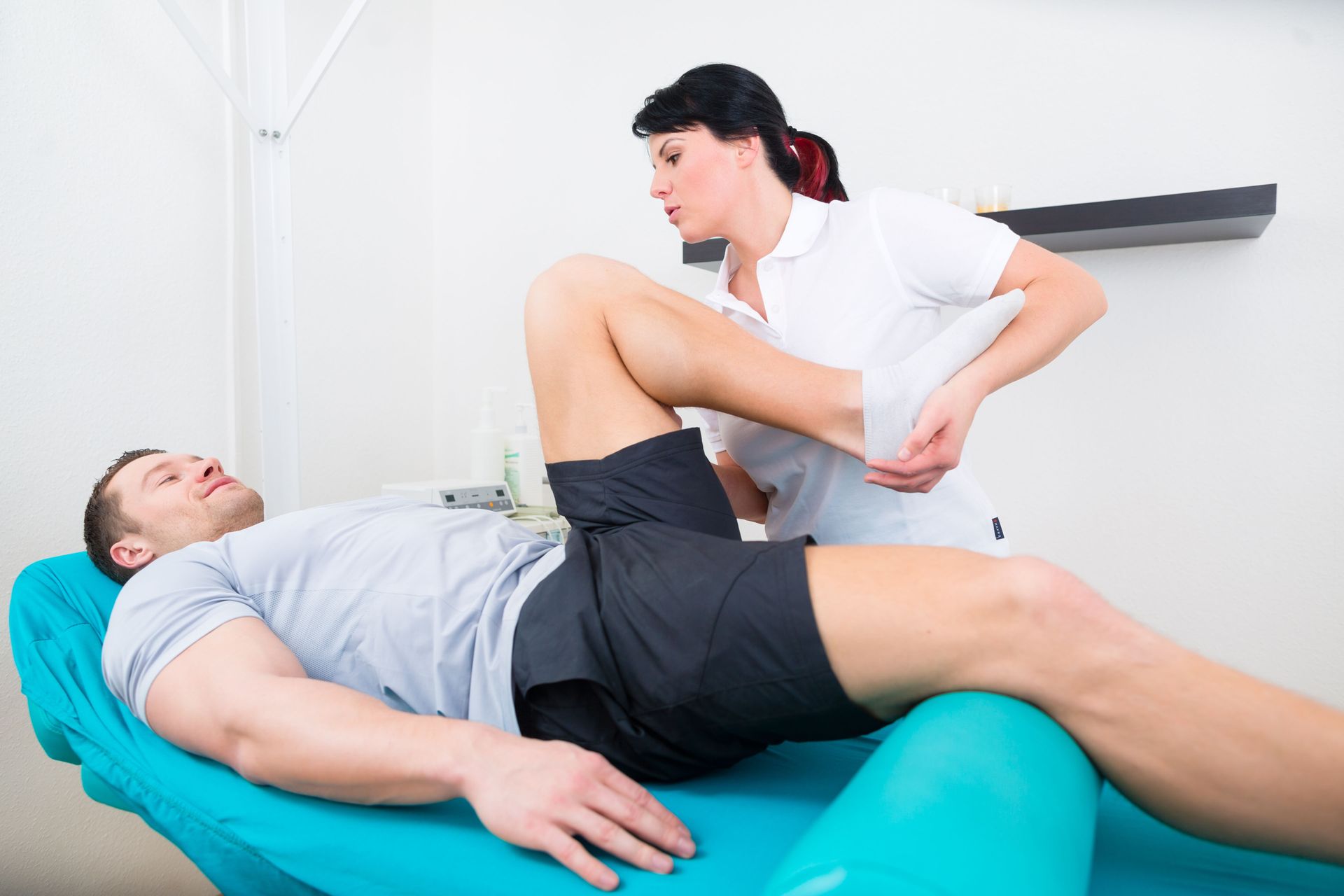
Physical therapists evaluate these challenges and develop individualized rehabilitation programs that support healing while respecting surgical precautions. Treatment may include supervised therapeutic exercises, manual therapy, mobility training, and education about safe movement.
The rehabilitation process also involves ongoing communication with the patient’s surgical team when necessary. This coordination helps ensure that therapy remains consistent with postoperative instructions and the expected healing timeline.
By addressing functional limitations and monitoring progress, physical therapy helps patients work toward recovering their mobility, confidence, and independence.
Improving Mobility and Restoring Physical Function
Limited mobility is a common concern following surgery, particularly when procedures involve joints, muscles, tendons, or ligaments. Patients may experience stiffness, restricted movement, or difficulty completing activities that previously required little effort.
Working with local physical therapists allows patients to receive professional guidance tailored to their specific mobility challenges. Therapists assess movement patterns, identify physical restrictions, and select appropriate rehabilitation techniques based on individual needs.
Improved mobility can make everyday activities more manageable, including walking, standing, reaching, and transitioning between positions. For patients recovering from orthopedic procedures, restoring functional movement is often a central rehabilitation objective.
Therapy also addresses movement quality. Patients sometimes develop compensatory habits to avoid discomfort, potentially placing additional stress on other parts of the body. Professional guidance helps identify these patterns and supports more efficient movement.
Managing Pain and Supporting the Healing Process
Postoperative discomfort can affect sleep, movement, concentration, and participation in rehabilitation. Although some pain is expected during recovery, persistent discomfort may interfere with the ability to regain normal physical function.
Physical therapists use appropriate therapeutic techniques to help manage symptoms while supporting the healing process. Depending on the patient’s condition and medical restrictions, treatment may incorporate gentle movement, manual therapy, positioning strategies, and other clinically appropriate interventions.
Access to local physical therapists can make consistent symptom monitoring more convenient. Regular appointments provide opportunities to discuss changes in discomfort, evaluate treatment responses, and adjust rehabilitation activities when necessary.
Effective rehabilitation focuses on improving physical function without disregarding discomfort. Treatment plans should reflect individual tolerance, surgical precautions, and the body’s changing capabilities throughout recovery.
Rebuilding Strength and Improving Physical Stability
Muscle weakness frequently develops after surgery because of reduced activity, temporary immobilization, or changes in how the body moves. Even when surgical healing progresses appropriately, weakened muscles can make ordinary movements challenging.
Rebuilding strength is particularly important for patients recovering from procedures involving weight-bearing joints, spinal structures, or major muscle groups. Adequate muscular support contributes to stability, coordination, and the ability to complete functional activities.
Physical therapists assess strength deficits and establish rehabilitation goals appropriate for the patient’s condition. Supervised strengthening activities are introduced and adjusted according to healing progress, movement quality, and medical recommendations.
Working with local physical therapists supports ongoing evaluation throughout this process. As patients regain strength, therapists can modify treatment plans to address remaining limitations and promote continued improvement.
Physical stability also depends on coordination and balance. Patients recovering from certain procedures may need additional support to restore confidence during walking, standing, or changing positions.
Addressing strength and stability together helps patients develop the physical capacity needed for daily activities while reducing unnecessary strain on recovering structures.
Preventing Complications and Supporting Safe Rehabilitation
Postoperative recovery requires careful management because physical limitations, surgical restrictions, and individual health factors can influence rehabilitation outcomes. Professional supervision helps patients participate in appropriate activities without placing unnecessary stress on healing tissues.
Physical therapists consider surgical precautions, medical history, functional limitations, and treatment responses when developing rehabilitation programs. These considerations are especially important when patients have complex recovery needs or additional health conditions.
Consistent rehabilitation may help address complications associated with prolonged inactivity, including stiffness, weakness, and reduced functional capacity. However, certain postoperative risks require medical monitoring beyond physical therapy.
Access to local physical therapists allows patients to receive continued guidance as their physical capabilities change. Therapists can identify concerning movement patterns, recognize unexpected changes, and recommend communication with medical providers when appropriate.
Professional rehabilitation also emphasizes realistic recovery expectations. Healing timelines vary depending on the procedure, overall health, surgical complications, and individual responses to treatment.
Rather than relying on generalized recovery recommendations, patients benefit from care that reflects their specific medical circumstances and functional goals.
Providing Personalized Treatment and Consistent Progress Monitoring
Every surgical recovery experience is different. Patients undergoing similar procedures may have different rehabilitation needs because of age, overall health, preoperative fitness, surgical complexity, and personal activity goals.
Personalized treatment allows physical therapists to address these differences while maintaining a structured approach to rehabilitation. Initial evaluations help identify mobility restrictions, strength deficits, functional challenges, and activities that patients hope to resume.
Throughout treatment, local physical therapists monitor progress and determine whether adjustments are necessary. Regular reassessments help establish whether rehabilitation activities remain appropriate and whether patients are moving toward their recovery objectives.
The importance of rehabilitation services continues to receive attention. According to the U.S. Bureau of Labor Statistics, employment opportunities for physical therapists are projected to increase by 12% from 2025 through 2035, considerably outpacing average employment growth across occupations.
This projected expansion highlights the growing demand for physical therapy professionals across healthcare settings.
For surgical patients, consistent access to individualized treatment can support communication, continuity of care, and meaningful progress throughout rehabilitation.
Encouraging Confidence and Supporting Long-Term Independence
Recovering from surgery can create uncertainty about physical abilities. Patients may hesitate to move because of discomfort, fear of reinjury, or concerns about placing excessive stress on the surgical area.
Physical therapy provides a supportive environment where patients can rebuild confidence under professional supervision. Therapists explain rehabilitation goals, evaluate movement capabilities, and help individuals understand their progress.
Working with local physical therapists can also make ongoing appointments easier to incorporate into daily routines. Convenient access may reduce transportation challenges and support consistent participation in recommended rehabilitation services.
As patients regain physical function, rehabilitation increasingly focuses on activities relevant to their lifestyles. These may include returning to work, participating in recreational activities, managing household responsibilities, or maintaining independence.
Long-term recovery involves more than reaching a particular strength or mobility measurement. It includes developing the physical capacity and confidence needed to participate comfortably in meaningful activities.
By connecting rehabilitation goals with everyday function, physical therapy helps patients work toward sustainable improvements in their quality of life.
Recognizing the Value of Local Physical Therapy Services
Successful postoperative rehabilitation depends on individualized care, appropriate progression, and consistent monitoring. Physical therapists help patients address mobility limitations, rebuild strength, manage discomfort, and regain confidence as healing progresses.
Choosing local physical therapists provides convenient access to professional support throughout the recovery process. With personalized treatment and ongoing communication, patients can pursue meaningful rehabilitation goals while respecting their individual medical needs.
Physical therapy remains an important part of comprehensive postoperative care, helping individuals transition from surgical recovery toward improved movement, independence, and everyday function.
At Pro Motion Physical Therapy, we understand that recovering from surgery requires personalized attention and professional guidance. Our team is committed to helping patients improve mobility, rebuild strength, and work toward their rehabilitation goals. We provide individualized care that considers your physical needs and recovery progress.
Contact us today to learn more about our physical therapy services and how we can support your post-surgery recovery.